The United Arab Emirates is often associated with glitzy skyscrapers and luxurious lifestyles, but there’s a new star on the rise: renewable energy. While the world grapples with climate change, the UAE is flipping the script, proving that sustainability can be both smart and stylish. Imagine a desert oasis powered by the sun and wind, where innovation meets tradition in a dazzling dance of eco-friendliness.
With ambitious goals and groundbreaking projects, the UAE is making waves in the renewable energy sector. From solar farms that stretch as far as the eye can see to wind turbines that could give the Burj Khalifa a run for its money, the nation is on a mission to redefine its energy landscape. Buckle up as we explore how this vibrant country is harnessing the power of nature, one sunbeam at a time.
Overview Of United Arab Emirates Renewable Energy
The United Arab Emirates (UAE) actively prioritizes renewable energy sources to diversify its energy portfolio. Solar energy projects, like the Mohammed bin Rashid Al Maktoum Solar Park, stand out as significant achievements, generating 5,000 megawatts by 2030. The park symbolizes the UAE’s dedication to sustainability while capitalizing on its abundant sunlight.
Another critical initiative involves wind energy. Wind farms contribute to the country’s renewable energy mix, expanding overall capacity and supporting local economies. For instance, the establishment of the Dubai Solar Energy Strategy aims to produce 7% of total energy from renewable sources by 2020, exceeding expectations.
The government encourages investment in green technology. Various private sector players participate in renewable energy projects, demonstrating a shift toward sustainable practices. These collaborations bring innovation and efficiency, propelling the UAE into a leadership role in the renewable energy sector.
Water and energy conservation efforts complement renewable initiatives. The UAE implements policies promoting energy efficiency and sustainable resource management. Programs focusing on solar water heaters and energy-efficient buildings contribute to reducing carbon footprints across urban developments.
International partnerships further enhance the UAE’s renewable energy landscape. Collaborations with countries such as France and the United States facilitate knowledge exchange and advanced technological advancements. These alliances position the UAE as a crucial player in the global pursuit of renewable energy solutions.
Overall, the United Arab Emirates’ renewable energy initiatives showcase a commitment to sustainability, economic development, and environmental responsibility. Through diverse projects and partnerships, the UAE significantly influences the future of energy.
Key Renewable Energy Sources
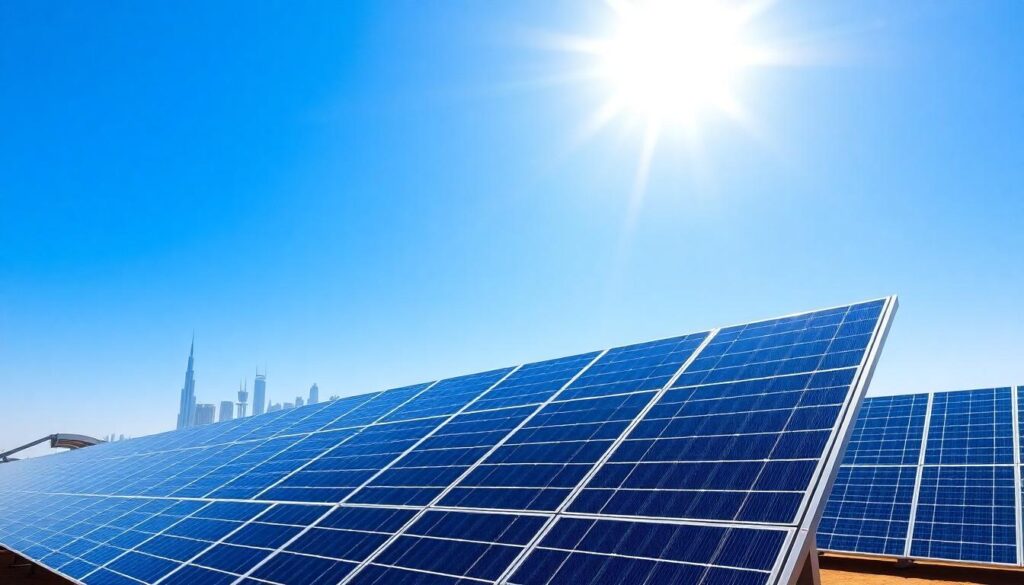
The United Arab Emirates emphasizes various renewable energy sources to meet its ambitious sustainability goals. Each initiative plays a vital role in transforming the country’s energy landscape.
Solar Energy Initiatives
Solar energy serves as a cornerstone of the UAE’s renewable strategy. The Mohammed bin Rashid Al Maktoum Solar Park aims to generate 5,000 megawatts by 2030, showcasing the nation’s commitment to large-scale solar projects. This solar park is expected to be one of the largest globally, contributing significantly to the energy mix. Dubai Solar Energy Strategy sets a target for 7% of total energy from renewable sources, emphasizing solar’s importance. Diverse solar technologies, including photovoltaic and concentrated solar power, further enhance efficiency and output.
Wind Energy Projects
Wind energy projects complement the UAE’s solar initiatives. Wind farms contribute to the renewable energy portfolio and support local economic growth. For instance, the 100-megawatt wind farm in the Emirate of Fujairah serves as a landmark project in harnessing wind resources. Innovative turbine technology maximizes energy capture even in low wind conditions. Continuing investments in wind energy highlight the nation’s commitment to diversifying its energy landscape.
Biomass and Waste-to-Energy
Biomass and waste-to-energy initiatives represent another innovative approach. Recycling waste materials generates energy while addressing environmental concerns. Several facilities in the UAE convert municipal waste to energy, significantly reducing landfill pressure. The Dubai Integrated Energy Strategy envisions waste-to-energy solutions forming part of a sustainable urban environment. These projects align with the broader goals of energy efficiency and resource management, representing a comprehensive approach to renewable energy.
Government Policies And Support
The UAE actively supports renewable energy development through robust government policies. A comprehensive regulatory framework guides companies in engaging with renewable initiatives.
Regulatory Framework
Regulations create a structured environment for renewable energy investments. The UAE’s Energy Strategy 2050 sets ambitious targets, aiming for 50% clean energy by 2050. Licensing procedures streamline project approvals, facilitating investment and encouraging innovation. Additionally, the introduction of the Independent Power Producer model allows private entities to participate in energy generation, boosting competition and efficiency in the sector. Government bodies like the Dubai Electricity and Water Authority oversee and ensure compliance with sustainability standards.
Investment Incentives
The UAE offers various incentives to stimulate investment in renewable energy. Tax exemptions for renewable projects attract both local and foreign investors. Overall, these financial incentives enhance the profitability of clean energy initiatives. Additionally, the UAE’s Clean Energy Fund supports financing for innovative technologies and projects. Public private partnerships enhance collaboration and foster investment in large-scale solar and wind ventures. By creating a favorable investment climate, the government encourages long-term commitment to sustainability and economic diversification.
Challenges Facing Renewable Energy Adoption
The United Arab Emirates faces several challenges in adopting renewable energy. These hurdles hinder progress toward a sustainable energy future.
Technical Challenges
Technical challenges arise from integrating renewable energy into existing infrastructure. Energy storage solutions require significant advancements to manage fluctuations in supply and demand. Existing grid systems often lack the capacity to handle large-scale renewable projects effectively. Additionally, limited local expertise in advanced renewable technologies can slow project implementation. Developing reliable maintenance practices for new technologies poses another technical hurdle, as innovative systems necessitate specialized knowledge for upkeep.
Economic and Financial Barriers
Economic and financial barriers significantly impact renewable energy investments. High upfront costs deter many investors, especially in emerging markets. Access to financing remains a critical issue, as traditional banks may overlook renewable projects in favor of fossil fuel investments. Return on investment timelines for renewable energy projects can also be longer than expected, complicating investor commitment. Government subsidies and incentives must align with market conditions for projects to thrive economically. Addressing these financial barriers is essential for fostering a robust renewable energy sector in the UAE.
Future Prospects And Developments
UAE plans to expand renewable energy capabilities significantly. The Mohammed bin Rashid Al Maktoum Solar Park targets an impressive 5,000 megawatts by 2030, showcasing solar as a primary energy source. Renewable energy projects continue to emerge, with the Dubai Solar Energy Strategy aiming for 7% of total energy from renewables. Public and private sectors engage in collaboration, enhancing innovation and efficiency within the renewable landscape.
Investment shifts toward green technology, supported by government policies that encourage participation in renewable initiatives. Licensing procedures simplify project approvals, promoting a faster pace in development. The Independent Power Producer model invites private entities into energy generation, driving competition and reducing costs. Investment incentives attract funding, while tax exemptions and the Clean Energy Fund stimulate growth in renewable projects.
On the operational side, integrating renewable energy into existing systems poses challenges. Energy storage solutions and grid capacity require enhancements to accommodate the increasing renewable share. Limited local expertise in advanced technologies affects progress, as does the necessity for reliable maintenance practices.
Financial barriers remain a significant concern. High upfront costs can deter potential investors, while traditional banks often prefer funding fossil fuel projects. Effective alignment of government subsidies with market conditions is crucial for fostering a vibrant renewable energy sector.
International partnerships further enhance the UAE’s renewable energy potential. Collaborations with countries like France and the United States facilitate knowledge exchange, bolstering technological growth. UAE stands poised to overcome obstacles by prioritizing renewable energy initiatives and committing to sustainable economic development.
The United Arab Emirates is setting a powerful example in the renewable energy sector. By embracing innovative technologies and sustainable practices, it’s transforming its energy landscape while addressing environmental challenges. The commitment to solar and wind energy, alongside investment in green technologies, illustrates a forward-thinking approach to energy diversification.
As the UAE continues to navigate the complexities of renewable energy adoption, its focus on international collaboration and public-private partnerships will be crucial. Overcoming existing challenges will ultimately pave the way for a sustainable energy future. The UAE’s journey not only reflects its dedication to sustainability but also positions it as a key player in the global renewable energy movement.