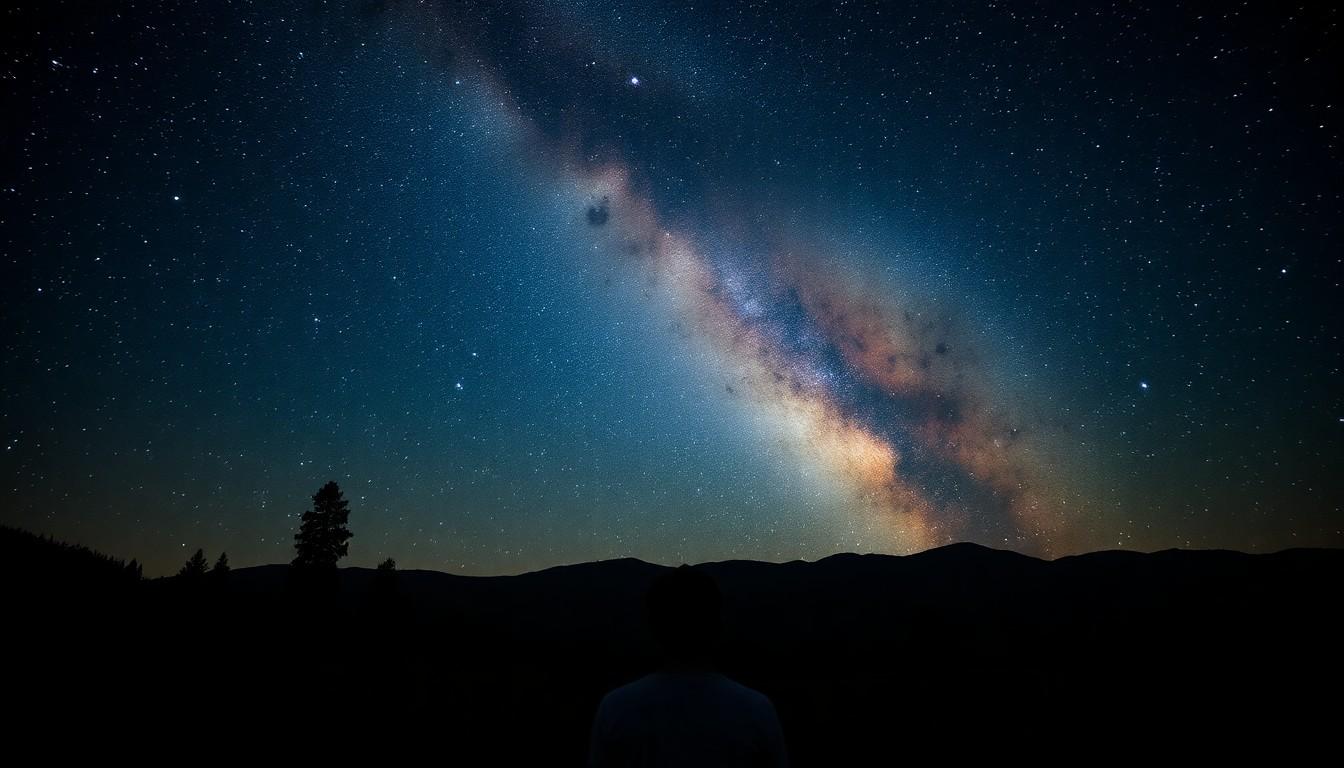
Imagine stepping outside on a clear night, looking up, and being greeted by a dazzling tapestry of stars—no neon signs, no streetlights, just the pure, unfiltered cosmos. It’s like nature’s own version of a glittering disco ball, inviting everyone to dance under its celestial glow. But alas, most of us are stuck with a sky that looks more like a foggy soup than a star-studded masterpiece.
Understanding Light Pollution
Light pollution affects the visibility of the night sky. It disrupts the natural darkness that allows stars to shine brightly.
Definition of Light Pollution
Light pollution refers to excessive artificial light that brightens the night sky. This phenomenon diminishes the visibility of celestial bodies such as stars and planets. Common forms include skyglow, glare, light trespass, and over-illumination. Each type contributes to a hazy or washed-out appearance, significantly altering the natural night landscape.
Causes of Light Pollution
Numerous sources contribute to light pollution. Streetlights often emit unnecessary brightness, creating glare and skyglow. Neon signs and billboards typically light up urban areas, further compromising visibility. Additionally, residential lights left on overnight can spill into the night sky. Inadequately shielded outdoor lighting extends this problem, causing wasted energy and diminished stargazing experiences.
Each of these factors plays a role in obscuring our view of the stars, affecting both the environment and human health.
The Night Sky Without Light Pollution
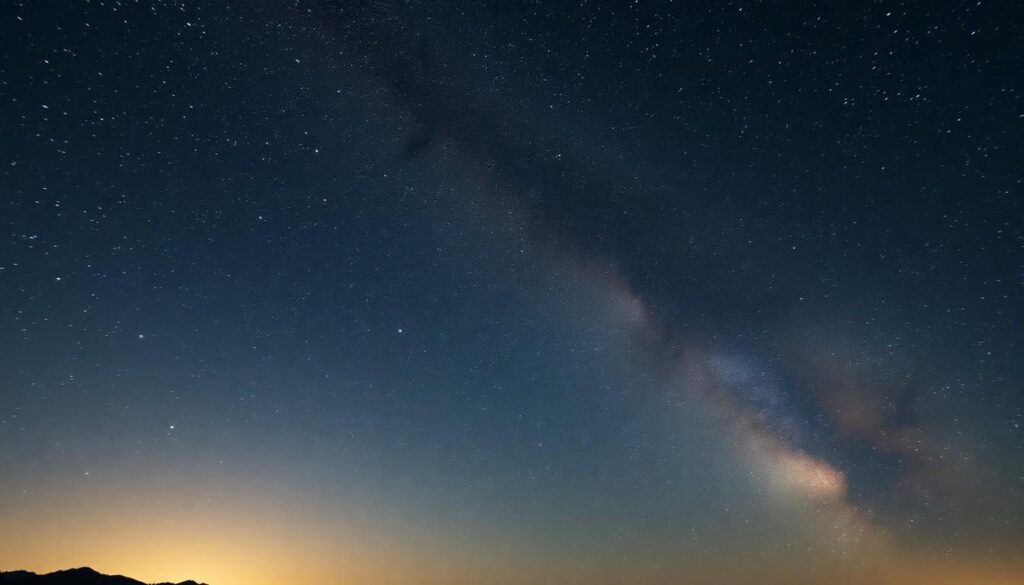
A clear night sky reveals an awe-inspiring spectacle of stars. This unobstructed view enhances the experience of stargazing, allowing vibrant constellations to stand out against the black canvas of space.
Visibility of Stars
Stars become significantly more visible without light pollution. Thousands of celestial bodies populate the night sky, creating a breathtaking display for observers. Under natural darkness, the Milky Way stretches across the horizon, showcasing its luminous band. The difference in clarity is astounding; faint stars, usually obscured by artificial glow, emerge brilliantly. Even distant galaxies appear more defined, enhancing the overall astronomical experience.
Recognition of Celestial Events
Celestial events become easier to recognize in an unpolluted sky. Gamers, for instance, enjoy meteor showers that light up the darkness with mesmerizing trails. Comets and planetary alignments also gain prominence, capturing the attention of avid sky watchers. Astronomy enthusiasts appreciate solar eclipses more fully without light interference, allowing for a spectacular view of the moon’s passage across the sun. This clarity fosters deeper connections with the universe, encouraging exploration and understanding of celestial phenomena.
Impact on Astronomy
Astronomy thrives in darkness, and removing light pollution significantly enhances stargazing experiences. Observers gain access to a jewel-like tapestry of celestial bodies in a clear night sky.
Benefits for Astronomers
Visibility of fainter stars reaches new heights under dark skies. Professional astronomers experience unparalleled opportunities to conduct research, as they can study celestial phenomena without the interference of artificial light. Increased visibility of deep-sky objects enriches their observations, enabling more detailed analysis. Dark skies inspire amateur astronomers too, as they discover a universe teeming with stars, clusters, and nebulae previously obscured. Memorable encounters with stellar events provide deeper engagement with the cosmos.
Improved Data Collection
Data collection becomes more accurate in environments devoid of light pollution. Instruments used for astronomical research capture clearer images, allowing for high-quality results. Astronomers note that decreased background light enhances signal detection from distant galaxies and cosmic events. Low-light conditions support precise measurements of celestial movements, improving models of celestial mechanics. By ensuring data integrity, researchers can draw more reliable conclusions and calibrate their tools effectively.
Ecological Consequences
The absence of light pollution creates a more balanced environment for many species. It reinforces natural rhythms, allowing animals to thrive under the cover of darkness.
Effects on Wildlife
Many nocturnal animals depend on the dark for their survival. Bats, for example, rely on dark skies for hunting insects, while sea turtles use moonlight to navigate to the ocean. Artificial light disorients them, causing mating disruptions and increased vulnerability to predators. Studies reveal that light pollution affects bird migration patterns, leading to collisions with buildings and other structures. Additionally, amphibians experience reproductive challenges due to altered breeding cycles under artificial light.
Importance of Dark Skies for Ecosystems
Dark skies play a crucial role in maintaining ecosystem health. They support natural behaviors and migration routes of various species. Plant life also benefits, as many flowering plants rely on darkness for pollination cycles. A balance between light and dark encourages biodiversity, sustaining populations that contribute to ecosystem stability. Enhanced visibility of celestial bodies can guide organisms in their daily activities, reinforcing their connection to environmental cues. The absence of artificial light fosters healthier ecosystems, benefiting both wildlife and plant communities.
Imagining a sky free from light pollution reveals a breathtaking universe waiting to be explored. The brilliance of countless stars and celestial phenomena offers a glimpse into the vastness of space. This clarity not only enhances the stargazing experience but also deepens humanity’s connection to the cosmos.
Moreover, the restoration of dark skies supports ecological balance, allowing wildlife to thrive and ecosystems to flourish. The benefits extend beyond aesthetics; they touch on vital aspects of health, science, and nature. Embracing efforts to reduce light pollution can transform night skies into a stunning natural canvas, enriching lives and fostering a greater appreciation for the wonders above.