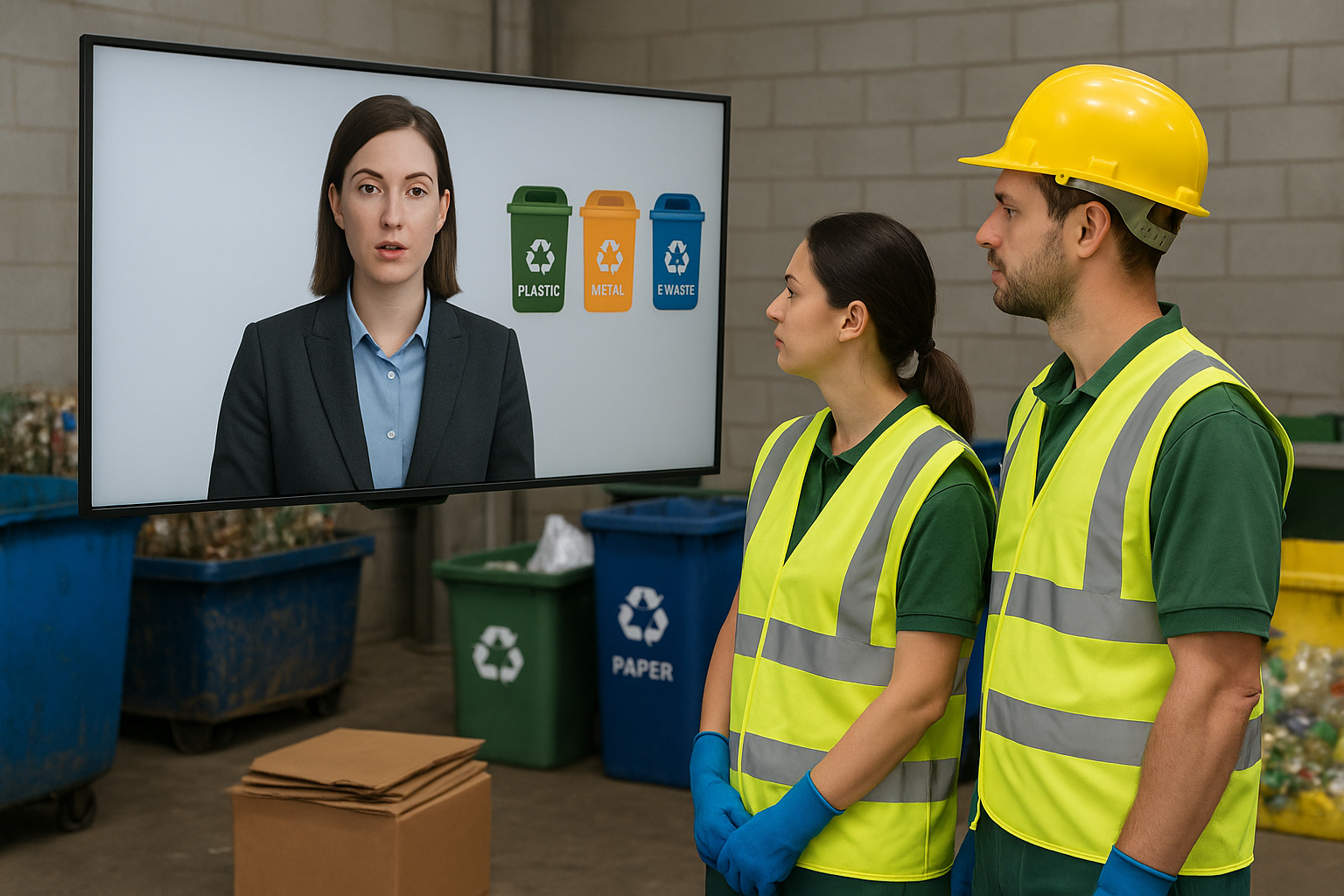
Training staff at recycling centers is crucial for ensuring safety, compliance, and operational efficiency. Whether you manage a local waste facility or a large-scale electronics recycling unit, onboarding and educating your workforce can be time-consuming and resource-intensive. Fortunately, artificial intelligence has introduced new ways to streamline this process, particularly through the use of AI avatars. These digital replicas can simulate human interactions, making training engaging, consistent, and scalable for your recycling business.
From trademark recycling techniques to handling hazardous materials, staff need to absorb a wide variety of information. Traditional training methods often involve printed manuals or on-site demonstrations, which may not always cater to varied learning styles or language proficiencies. With AI avatars, however, you can bring in a flexible, visual, and multilingual dimension to training that helps staff retain more and apply their learning in real-world tasks. Let’s explore how you can implement this technology effectively.
Why Train Staff with AI Avatars?
Recycling centers deal with complex operations that require accuracy and awareness. Employees may be tasked with sorting recyclable materials, understanding different codes in plastics, or disassembling electronics safely. Environmental pollution can result if any step is mishandled. This is where AI avatars offer a consistent method of training that’s visually guided and easy to replicate across departments or branches.
For example, AI avatars can walk new employees through the steps of handling specific e-waste items like circuit boards or batteries. Instead of relying on static posters or slideshows, you can deliver information through engaging explainer videos or conversational tutorials that adapt based on feedback or queries. This creates an interactive learning experience that works well in both online and offline environments.
Types of Content You Can Create
To maximize the benefits of AI in training, it’s important to match the type of content with the learning goals. Here are a few common formats:
- Explainer Videos: Break down key recycling processes such as sorting, compacting, or safe disposal techniques.
- Scenario-Based Training: Simulate real-life situations where the staff have to make decisions about hazardous or non-recyclable materials.
- Compliance Modules: Reinforce regulations around environmental laws, trademark recycling standards, or health and safety protocols.
- Personalized Onboarding: Tailor content to different roles, whether it’s a machine operator, quality checker, or logistics staff member.
By integrating AI avatars into these content types, you maintain consistency in message delivery while also making learning more relatable and digestible.
How to Create AI Avatars for Training Videos
When you’re ready to adopt this approach, the first step is to create AI avatars that reflect your branding, values, and communication style. Platforms like invideo AI make this process intuitive by letting you select or customize avatars that match your use case. You can script dialogues, choose voice tones, and add facial expressions for realism.
Using invideo AI, you can automate training content creation in minutes. For example, you can generate a video on how to sort plastic, glass, and metal waste, embed subtitles for multilingual support, and present it through a virtual trainer who can be paused, replayed, or reviewed anytime.
One of the standout benefits is the ability to scale your training across locations. Whether your facility deals with industrial metal recycling or niche electronics recycling, the same avatar-led content can be adapted to each site’s needs without hiring extra trainers or videographers. To further simplify content production, you can consider using an AI video generator app to streamline editing, voiceovers, and visual additions, all in one platform.
Benefits of Recycling Centers
AI avatars bring a range of benefits specific to recycling operations:
- Consistency: Every employee receives the same message, reducing the chances of misunderstanding instructions.
- Efficiency: Save time on repeated live sessions, especially for high-turnover roles.
- Scalability: Easily deploy training in multiple facilities or across different geographic regions.
- Accessibility: Provide content in various languages or formats to accommodate the diverse demographics of the staff.
- Engagement: Learning that is visual and interactive fosters improved retention in comparison to manuals that are laden with text.
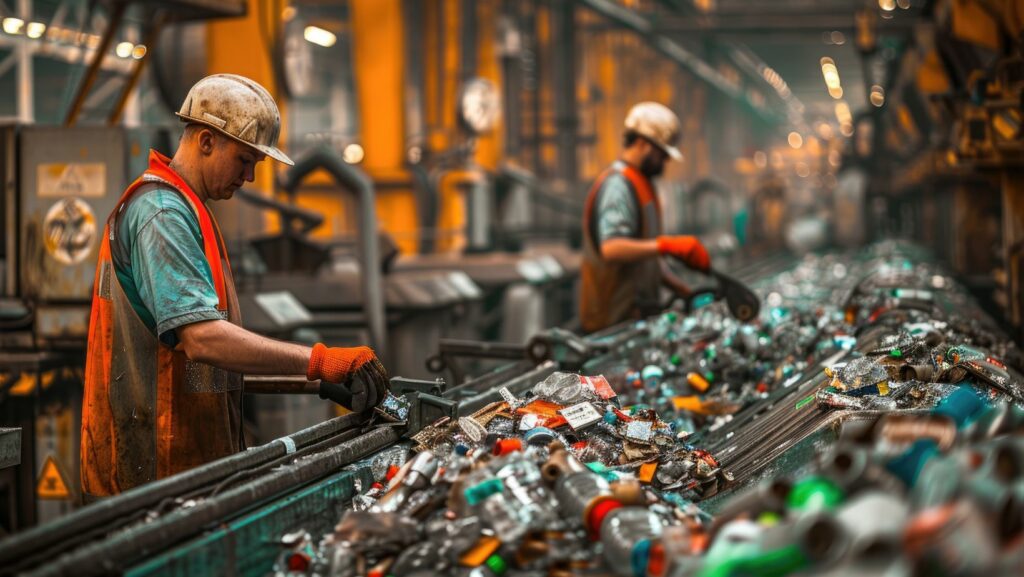
These advantages can be critical in maintaining high standards in areas like electronics recycling, where errors in dismantling or sorting can lead to safety issues or environmental damage.
Simple Tips to Get Started
Here are a few beginner-friendly steps to start training with AI avatars in your recycling center:
- Assess Training Needs: Identify gaps in current staff training, compliance, process knowledge, or soft skills.
- Choose the Right Tools: Select a platform that supports avatar creation, video editing, and easy integration.
- Start Small: Begin with one module, such as safety procedures or equipment handling, and expand from there.
- Collect Feedback: Use surveys or quizzes to assess if staff find the AI-led training effective.
- Update Regularly: As recycling policies or equipment change, update the avatar content accordingly to stay relevant.
Conclusion
Using AI avatars in your training program is a smart and scalable way to enhance staff readiness at your recycling center. Whether you’re addressing challenges in environmental pollution, managing compliance with trademark recycling laws, or training staff in electronics recycling, this approach helps deliver knowledge effectively. When you create AI avatars, you add a layer of personalization and efficiency that traditional methods can’t easily match. Over time, this investment pays off in better-trained teams, improved safety, and a more sustainable recycling operation.