Plastic is everywhere, and it’s not going away anytime soon. With every sip from a water bottle or every takeout container, we contribute to a growing mountain of plastic waste. But what if he told you that recycling plastic isn’t just good for the planet—it can also be a bit of a superhero move? Imagine donning a cape made from recycled materials and saving the Earth one bottle at a time.
Importance Of Recycling Plastic
Recycling plastic plays a crucial role in addressing environmental challenges. It helps reduce pollution, conserves resources, and promotes sustainability.
Environmental Impact
Recycling plastic significantly decreases the amount of waste sent to landfills. Approximately 60 million tons of plastic waste exists in the U.S. alone. Environmental damage from plastic pollution affects wildlife habitats and ecosystems. Ocean life suffers as millions of marine animals ingest plastic debris each year. By recycling, it’s possible to lessen this damage and protect natural resources. Clean air and water become attainable as fewer harmful substances are released during production processes. Gathering and processing plastic into new materials reduces the need for fossil fuels, lowering carbon emissions in the manufacturing industry.
Economic Benefits
Recycling plastic contributes to economic growth and job creation. The recycling industry employs over 1.1 million workers in the United States. Recycled materials often cost less than virgin materials, leading to reduced production costs for manufacturers. Businesses that prioritize recycled content may also attract environmentally conscious consumers, enhancing their marketability. Moreover, communities save money on waste management due to reduced disposal costs. Investing in recycling infrastructure can stimulate local economies and promote innovation in sustainable practices.
Methods To Recycle Plastic
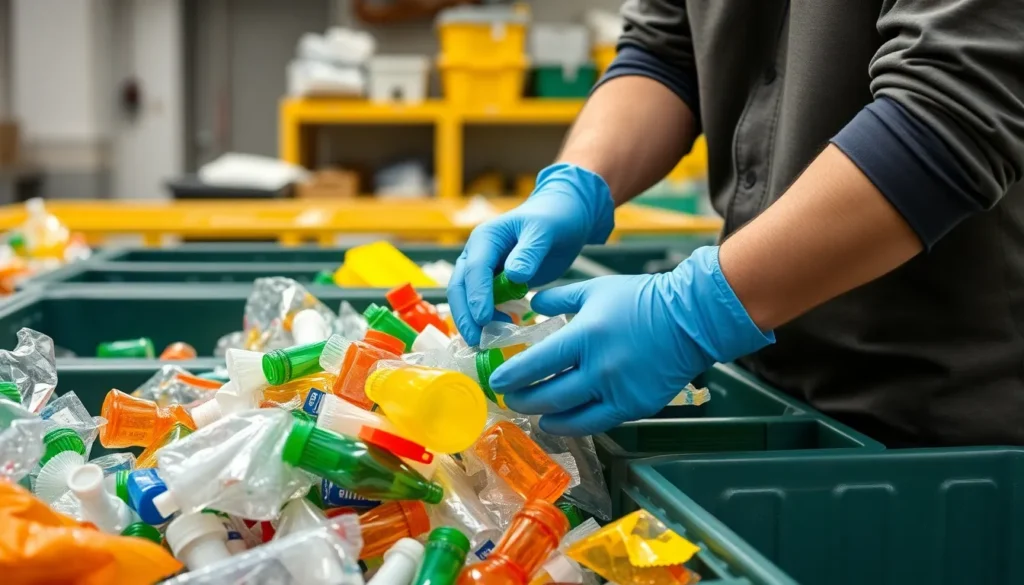
Efficient methods for recycling plastic can help mitigate environmental challenges. Two prevalent methods include mechanical and chemical recycling.
Mechanical Recycling
Mechanical recycling involves physically breaking down plastic waste into smaller pieces without altering its chemical structure. This method uses processes like sorting, shredding, and washing to prepare plastic for remolding into new products. Many common plastic items, such as bottles and containers, undergo this process. After shredding, the plastic can be melted and formed into pellets, which serve as raw material for various applications. Mechanical recycling effectively conserves resources and reduces landfill waste. However, repeated recycling can impact the integrity of the plastic, leading to lower quality over time.
Chemical Recycling
Chemical recycling breaks down plastic waste at a molecular level, enabling the recovery of monomers for repurposing. This innovative approach allows for a broader range of plastics to be recycled, including those not suitable for mechanical methods. The process typically involves breaking the polymers into smaller chemical entities through various techniques, such as pyrolysis or depolymerization. Chemical recycling ensures that the quality of the recycled products remains high, making it advantageous over mechanical recycling. It also helps reduce the environmental footprint of plastic waste by converting it back into valuable resources.
Challenges In Recycling Plastic
Recycling plastic faces significant challenges that hinder its effectiveness and impact. Understanding these obstacles is crucial for improving recycling rates and promoting sustainability.
Contamination Issues
Contamination concerns arise when non-recyclable materials mix with recyclable plastics. Common contaminants include food residues, liquids, and improper items like plastic bags. Such contamination complicates the recycling process, often leading to entire batches being discarded. Even small levels of impurities can reduce the overall quality of recycled plastics, making them unsuitable for certain applications. Efforts to educate consumers on proper recycling practices can help mitigate these issues. Maintaining cleanliness in recycling bins directly contributes to higher quality recycled materials.
Market Demand Fluctuations
Market demand for recycled plastics fluctuates based on factors like commodity prices and consumer preferences. Changes in oil prices can influence the viability of virgin plastic production, affecting recycled material demand. Additionally, manufacturers may prioritize cheaper, non-recycled alternatives when prices of virgin plastics drop. This inconsistency poses economic challenges for the recycling industry, making it difficult for facilities to operate sustainably. Establishing stronger markets for recycled materials can stabilize demand. Creating awareness about the benefits of using recycled products helps foster a more consistent market for recycled plastics.
Innovations In Plastic Recycling
Innovative approaches in plastic recycling are essential for tackling environmental challenges. These advancements focus on new technologies and community initiatives.
New Technologies
Artificial intelligence enhances sorting efficiency in recycling facilities. AI algorithms analyze materials, identifying recyclable plastics and reducing contamination. Breakthroughs in enzymatic recycling are also noteworthy, where specialized enzymes break down plastics into their original building blocks. This method can recycle diverse plastic types while maintaining product quality. Additionally, advanced chemical recycling techniques allow for the processing of complex plastic blends that traditional methods cannot handle. The adoption of these technologies boosts overall recycling rates and opens new markets for recycled materials.
Community Initiatives
Grassroots efforts play a pivotal role in promoting plastic recycling. Local organizations lead educational programs that raise awareness about proper recycling practices. Neighborhood clean-up events foster community involvement and encourage responsible disposal behavior. Many municipalities are introducing curbside collection programs, making recycling more accessible. Collaborations between communities and businesses further amplify impact, with initiatives like plastic bag take-back programs. These collective actions not only ensure higher recycling rates but also cultivate a culture of sustainability within local populations.
Recycling plastic is a vital step toward a healthier planet. Each individual’s efforts can lead to significant environmental benefits. By embracing recycling practices, people can reduce pollution and conserve valuable resources.
Innovative technologies and community initiatives are paving the way for more effective recycling processes. As awareness grows, so does the potential for positive change. Everyone has a role in this movement, and every action counts in the fight against plastic waste.
Choosing to recycle not only supports sustainability but also contributes to economic growth. By investing in better recycling infrastructure and education, communities can foster a culture that prioritizes the environment. Together, they can make a lasting impact on the future of our planet.