In the world of contemporary art, few names spark curiosity like Ai Weiwei. Known for pushing boundaries and challenging norms, his porcelain cube sculpture is no exception. This masterpiece combines traditional craftsmanship with a modern twist, making it a must-see for art lovers and casual observers alike.
Imagine a cube so perfect it could make a mathematician weep. Yet, it’s not just about aesthetics; it’s a statement on culture and identity. Weiwei invites viewers to ponder the complexities of existence while secretly hoping they won’t trip over their own thoughts. With its striking design and deeper meaning, this sculpture proves that art can be both beautiful and thought-provoking—like a philosophical conversation that ends with a punchline. Dive into the world of Ai Weiwei’s porcelain cube and discover why it’s capturing hearts and headlines around the globe.
Overview of Ai Weiwei Sculpture Porcelain Cube
Ai Weiwei’s porcelain cube sculpture exemplifies the artist’s unique approach to merging traditional techniques with contemporary concepts. This piece showcases exquisite craftsmanship, presenting a minimalist form that captivates viewers. Each cube features subtle variations in texture and color, reflecting the intricacies of handmade porcelain.
Porcelain cube sculptures convey layers of meaning, often encouraging reflection on identity, culture, and global connectivity. These artworks challenge preconceived notions of materials and their cultural significance, ultimately promoting dialogue among diverse audiences. Their sleek appearance juxtaposes the historical context of porcelain, a material with deep roots in Chinese culture.
The significance of this sculpture extends beyond aesthetics, touching on broader themes such as displacement and the intersection of art and politics. As a result, Ai Weiwei’s work resonates with individuals grappling with issues of heritage and modernization. Viewers are invited to engage with the piece, prompting personal and collective interpretations.
Crafted using traditional techniques, each cube represents a commitment to artisanal practices, highlighting the value of craftsmanship in a fast-paced world. This dedication not only enhances the beauty of the sculpture but also reinforces Ai Weiwei’s messages about preservation and innovation in art. Each piece serves as a testament to the enduring relevance of cultural narratives.
Overall, the porcelain cube stands as a powerful symbol within Ai Weiwei’s body of work, encouraging discourse on contemporary societal issues while celebrating artistic heritage.
Artistic Significance
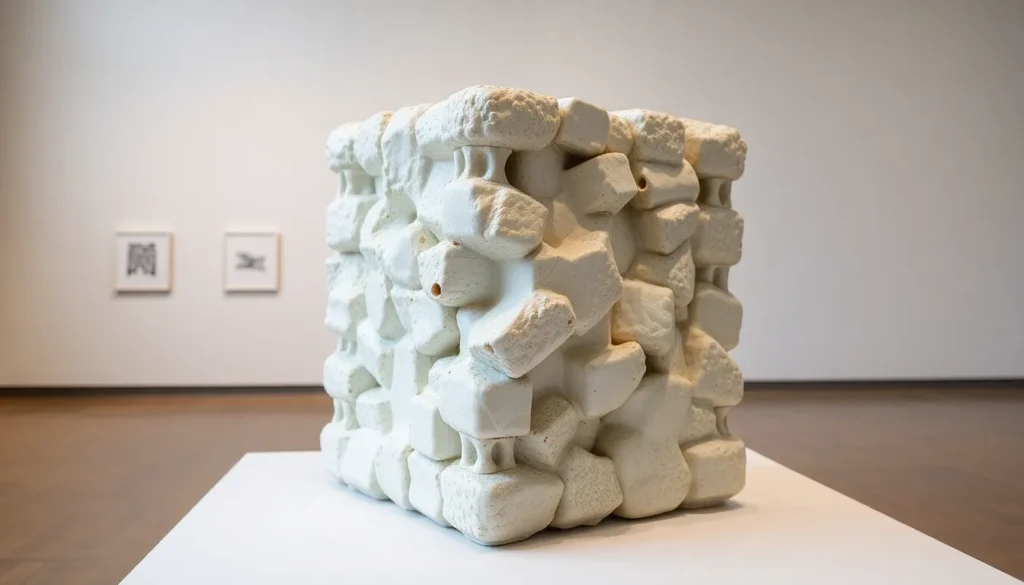
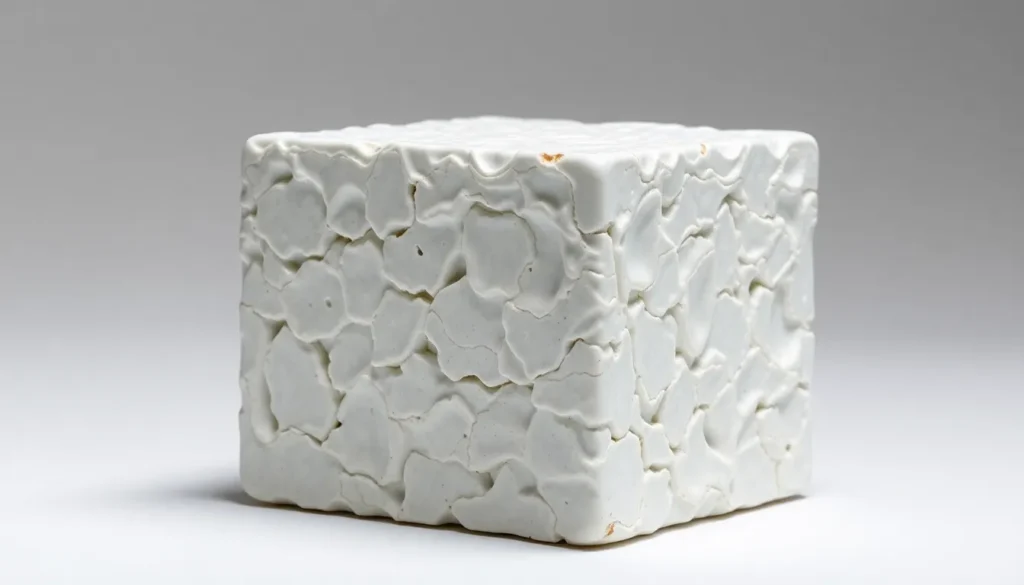
Ai Weiwei’s porcelain cube sculpture embodies a rich significance, intertwining aesthetics with deeper cultural narratives.
Cultural Context
Cultural significance permeates the porcelain cube. It reflects traditional Chinese values while addressing contemporary global issues. The piece invites dialogue about identity and displacement, connecting viewers with broader themes of heritage and modernity. Each cube serves as a reminder of China’s historical craftsmanship, encouraging appreciation for time-honored techniques. Through its visual language, the sculpture resonates in various cultural conversations, making it relevant not only in an art context but also in discussions about migration and belonging. Contextual relevance strengthens its impact, allowing audiences to engage with complex themes seamlessly.
Materials and Techniques
Materials and techniques play a vital role in the sculpture’s significance. Each cube is crafted from high-quality porcelain, highlighting the intricate artistry rooted in Chinese traditions. Handmade processes contribute to subtle variations in texture and color, enhancing the uniqueness of each piece. Artisans utilize ancient techniques, merging them with contemporary design principles that reflect Ai Weiwei’s innovative spirit. The choice of porcelain embodies both fragility and strength, symbolizing the contrast between cultural preservation and the challenges of modernization. By emphasizing craftsmanship, Ai Weiwei elevates the conversation around materiality, urging viewers to reconsider the significance of art in their lives.
Design Elements
The design elements of Ai Weiwei’s porcelain cube sculpture reflect a harmonious blend of tradition and modernity. Each aspect emphasizes the deeper meanings embedded within the piece.
Form and Structure
The cube’s minimalist form captures immediate attention through its geometric simplicity. Angles and edges create a striking contrast to organic forms, making the sculpture visually compelling. Large cubes embody stability, while smaller variations introduce a sense of dynamism. The precise craftsmanship showcases a balance between tradition and innovation, reinforcing the significance of each piece. Intricate detailing, achieved through time-honored techniques, elevates the overall structure and invites closer examination.
Color and Texture
Colors play a crucial role in the sculpture’s visual impact. Muted whites, soft grays, and subtle blues create a serene palette that evokes calmness. Each cube displays variations in hue, adding depth and interest. Textures, varying from smooth finishes to rough surfaces, enhance the interplay of light and shadow. This tactile diversity encourages viewers to engage with the artwork actively. Ultimately, the interplay of color and texture reflects personal narratives and broader cultural themes, deepening the viewer’s experience.
Public Reception
The public response to Ai Weiwei’s porcelain cube sculpture has been predominantly positive, highlighting its aesthetic and thematic depth.
Critical Acclaim
Critics praise the porcelain cube for its innovative use of materials and masterful craftsmanship. Art publications highlight its ability to resonate with contemporary audiences while maintaining traditional techniques. The sculpture often appears in exhibitions focused on identity and culture, underscoring its relevance in today’s art discourse. Renowned art critics note how the piece engages viewers through its layered meanings and stunning design, solidifying Ai Weiwei’s place in contemporary art history. Recognition often extends to the global context, where discussions encompass cultural heritage and the role of art in social commentary.
Audience Engagement
Viewers interact with the porcelain cube on multiple levels, prompted by its visual appeal and thought-provoking themes. Many find themselves contemplating concepts of identity, heritage, and displacement while engaging with the work. Social media platforms amplify discussions, enabling audiences to share personal interpretations and emotional connections. Ai Weiwei’s emphasis on traditional craftsmanship encourages appreciation for the processes behind the art, attracting a diverse audience. Audience feedback often emphasizes the sculpture’s beauty and its capacity to evoke a sense of connection to cultural narratives across generations.