In a world where fossil fuels are about as popular as a root canal, biomass sustainability emerges as the eco-friendly hero we didn’t know we needed. Imagine turning leftover food scraps and yard waste into clean energy—talk about a win-win! Biomass isn’t just a fancy term for composting; it’s a powerful tool that can help reduce greenhouse gas emissions while keeping our planet happy and healthy.
Overview of Biomass Sustainability
Biomass sustainability refers to the responsible management and use of organic materials to produce energy. These materials include agricultural residues, forestry products, and dedicated energy crops. Sustainable biomass practices ensure that energy production does not compromise the health of ecosystems or deplete natural resources.
Choosing biomass as an energy source reduces reliance on fossil fuels. A study from the U.S. Department of Energy indicates that biomass energy can lower greenhouse gas emissions by up to 85% compared to coal. This substantial reduction significantly contributes to combating climate change.
Sustainable sourcing methods play a critical role in biomass sustainability. Land management practices that include replanting and maintaining soil quality help preserve biodiversity. Communities benefit from implementing local biomass programs that create jobs and stimulate the economy while providing clean energy.
While utilizing biomass, it’s essential to adhere to sustainability criteria. These criteria often encompass the evaluation of greenhouse gas emissions, the impact on land-use change, and the social implications of biomass production. Assessing these factors ensures a balance between energy production and ecological integrity.
Tracking the carbon footprint of biomass resources offers insight into their sustainability. Responsible production and utilization practices lead to a net positive environmental impact. Continuous innovation and technology advancement further enhance the efficiency of biomass energy systems, making them a viable alternative in the quest for renewable energy sources.
Benefits of Biomass Sustainability
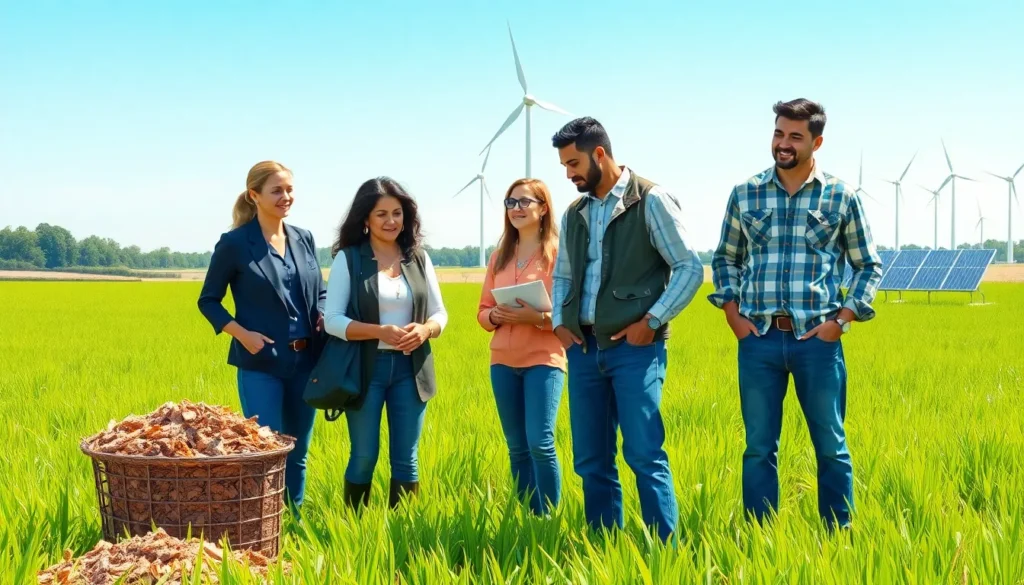
Biomass sustainability provides numerous advantages that support both ecological health and economic growth. These benefits contribute to a greener future by optimizing resource use while minimizing negative impacts.
Environmental Impact
Biomass sustainability significantly lowers greenhouse gas emissions. It can cut emissions by up to 85% when compared to coal, according to U.S. Department of Energy findings. This reduction plays a crucial role in combating climate change. Additionally, sustainable biomass practices promote biodiversity through responsible land management. Protecting ecosystems while generating energy ensures that natural resources remain intact for future generations. Furthermore, converting organic waste into energy reduces landfill use, which enhances overall environmental health.
Economic Advantages
Economic growth flourishes alongside biomass sustainability initiatives. Local programs that utilize biomass create job opportunities in energy production and related fields. According to industry reports, investments in biomass can stimulate regional economies by promoting innovation and infrastructure development. These initiatives also foster energy independence, reducing reliance on imported fossil fuels. It benefits communities economically and bolsters energy security. Supporting sustainable biomass systems ensures long-term economic stability, aligning both environmental and financial interests.
Challenges in Biomass Sustainability
Biomass sustainability faces several challenges that need addressing to maximize its benefits.
Land Use Concerns
Land use represents a significant challenge in biomass sustainability. Competition for agricultural land can arise when energy crops are prioritized over food crops. Some researchers indicate that increasing biomass production might lead to deforestation or habitat loss, posing risks to biodiversity. A balance must exist between energy needs and food supply to prevent negative environmental impacts. Land management strategies can mitigate these issues by encouraging the use of marginal lands rather than prime agricultural areas.
Energy Efficiency Issues
Energy efficiency remains a critical concern in biomass sustainability. Not all biomass conversion processes yield high energy outputs, leading to inefficient energy generation. According to a study conducted by the U.S. Department of Energy, energy efficiency rates vary widely among biomass feedstocks and conversion technologies. Improving these processes can significantly enhance biomass’s overall energy yield, reducing emissions associated with production. Innovations in technology must focus on optimizing energy conversion methods, ensuring the sustainability of biomass energy systems while meeting energy demands.
Best Practices for Promoting Biomass Sustainability
Promoting biomass sustainability involves implementing effective strategies across various sectors. This encourages responsible energy production and maximizes environmental benefits.
Sustainable Sourcing
Sourcing biomass sustainably requires carefully selecting and managing organic materials. Prioritizing agricultural residues and energy crops from marginal lands helps maintain biodiversity. Implementing practices such as crop rotation enriches soil health and ensures nutrient availability. Collaborating with local farmers fosters community involvement and enhances supply chains. Documenting land use changes tracks impacts on ecosystems, supporting better decision-making regarding biomass sources.
Technological Innovations
Innovations in technology significantly enhance biomass energy systems. Developing advanced conversion processes maximizes energy output and minimizes emissions. Researchers focus on improving efficiency in biomass-to-energy technologies, which leads to more sustainable practices. Deploying automated systems helps streamline operations and reduce costs. By investing in research and development, industries push the boundaries of biomass sustainability further, solidifying its role in a cleaner energy future.
Biomass sustainability stands as a pivotal element in the transition toward cleaner energy. By responsibly managing organic materials and prioritizing ecological integrity, it offers a path to significantly reduce greenhouse gas emissions while supporting local economies. The potential for job creation and energy independence makes biomass an attractive option for communities seeking sustainable solutions.
As technology advances and best practices are implemented, the efficiency and viability of biomass energy systems will continue to improve. Addressing challenges such as land use and energy efficiency is essential to ensure that biomass remains a sustainable resource. Embracing these strategies not only fosters environmental health but also paves the way for a more sustainable future.