As cities around the globe grapple with the ever-growing demands of urban life, they’re also facing a pressing challenge: how to power their hustle and bustle sustainably. Enter renewable energy—the superhero of the energy world, swooping in to save the day with clean, green solutions. Picture solar panels on rooftops and wind turbines twirling gracefully in the breeze, all while reducing carbon footprints faster than a squirrel on espresso.
Cities aren’t just adopting renewable energy; they’re embracing it with open arms and a twinkle in their eyes. From innovative solar farms to ambitious wind projects, urban areas are transforming into eco-friendly powerhouses. It’s not just about saving the planet; it’s about creating vibrant, livable spaces for future generations. So, buckle up and get ready to explore how cities are harnessing the power of the sun, wind, and water to fuel their growth while keeping Mother Earth smiling.
Overview of Cities Renewable Energy
Cities increasingly harness renewable energy sources to meet urban demands sustainably. Solar energy emerges as a leading solution, with installations rising from 1.5 million in 2010 to over 3 million by 2022 in the U.S. Wind power significantly contributes, generating more than 8.4% of total electricity in 2022.
Efforts focus on modifying infrastructures to utilize these energy sources. Urban areas are investing in solar panels on rooftops, while new wind farms are strategically placed nearby to maximize efficiency. Energy storage technologies are evolving, enabling cities to capture excess energy for use during peak demand periods.
Local governments play a crucial role in this transition. Policy initiatives promote incentives for renewable projects and streamline permitting processes. Cities like San Diego committed to 100% renewable energy by 2035, reflecting a growing trend among urban centers worldwide.
Communities benefit from these initiatives through job creation and reduced emissions. Solar and wind projects support thousands of jobs, bolstering local economies. As a result, cities cultivate sustainable practices while addressing social and environmental issues.
Collaboration among stakeholders leads to innovative energy solutions. Partnerships between city officials, businesses, and non-profits drive impactful programs that encourage community engagement. Investment in these collaborative efforts fosters a culture of sustainability, encouraging further adoption of green technologies.
Finally, the overall objective of cities investing in renewable energy centers on creating livable environments. Sustainable energy practices enhance the quality of life for residents, ensuring future generations inherit vibrant, eco-friendly urban landscapes. These strategies demonstrate the potential of urban areas to lead the renewable energy revolution.
Benefits of Renewable Energy in Urban Areas
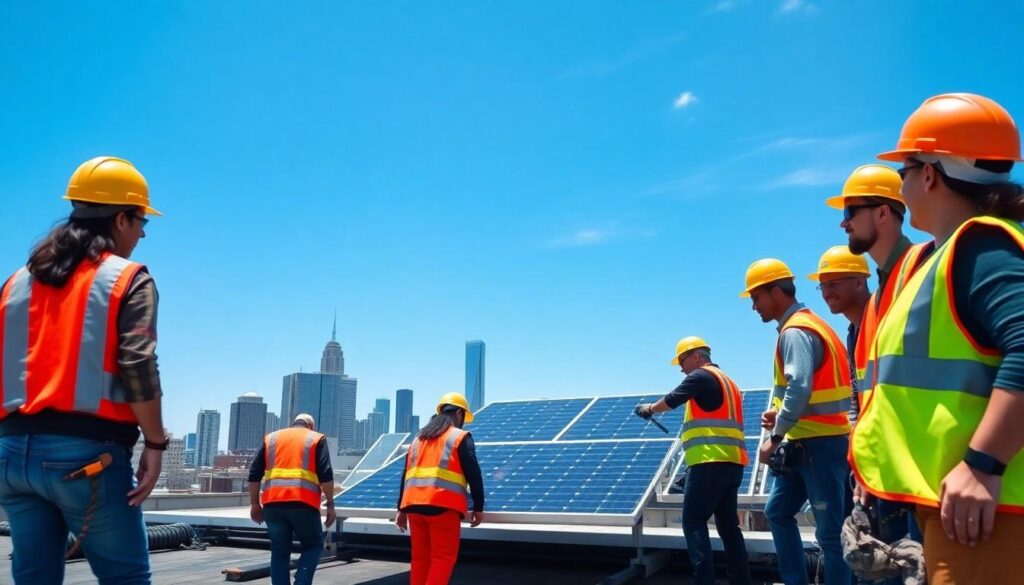
Renewable energy offers numerous benefits for urban areas, enhancing sustainability and livability. Key advantages include economic growth and environmental protection.
Economic Advantages
Investments in renewable energy stimulate job creation in cities. In 2022, renewable energy sectors employed over 3 million people in the United States. Local economies thrive as cities adopt solar panels and wind turbines. Savings associated with renewable energy also become evident; cities can reduce energy costs significantly over time. Urban initiatives attract businesses focused on sustainability, further accelerating growth. Cities focusing on clean energy tend to see increased property values, enhancing community wealth.
Environmental Impact
Using renewable energy drastically cuts greenhouse gas emissions. In 2022, wind power contributed to over 8.4% of total electricity, marking significant progress. Cleaner air quality improves residents’ health and well-being. Urban areas adopting sustainable practices often witness reduced reliance on fossil fuels. Biodiversity protection in urban environments flourishes as more green spaces are integrated. Efforts to harness renewable energy reflect a commitment to mitigating climate change, preserving natural resources for future generations.
Challenges Facing Cities in Transitioning to Renewable Energy
Cities face numerous challenges when transitioning to renewable energy, even as they aggressively pursue sustainable solutions. Infrastructure limitations often hinder progress, requiring significant upgrades to accommodate new energy sources.
Infrastructure Limitations
Existing infrastructures may not support advanced renewable energy systems effectively. Outdated electrical grids struggle with the integration of distributed energy resources, making it difficult to manage fluctuations in energy supply. Many urban centers also lack the necessary space for large-scale solar farms or wind installations. Overcoming these obstacles demands substantial investments in modernization and efficiency upgrades. Cities must prioritize infrastructure development to optimize the deployment of clean energy resources and support energy storage technologies.
Policy and Governance Issues
Policy and governance challenges significantly impact renewable energy adoption in urban landscapes. Regulatory frameworks often lag behind technological advancements, creating barriers for local governments. Cities must navigate complex permitting processes that can delay project implementation. Stakeholder collaboration remains essential for developing policies that promote renewable initiatives while ensuring compliance with environmental standards. Local governments play a vital role in advocating for improvements to policies, streamlining regulations, and incentivizing investments in clean energy projects.
Successful Case Studies of Cities Utilizing Renewable Energy
Cities around the world are implementing renewable energy solutions, demonstrating their commitment to sustainability and innovation.
Example City 1
San Diego stands as a leading example of a city prioritizing renewable energy. Committing to 100% clean energy by 2035, it actively invests in solar installations and energy efficiency programs. Over 1.6 million residents benefit from aggressive renewable policies. Local government initiatives streamline permitting processes for solar projects, encouraging widespread adoption. This ambitious goal not only aims to reduce greenhouse gas emissions but also fosters economic growth and job creation in the green energy sector. As a result, San Diego exemplifies how urban centers can transition to renewable energy while enhancing community livability.
Example City 2
Adelaide showcases its dedication to renewable energy through substantial investment in wind and solar power. By pursuing a target of 100% renewable energy by 2030, it harnesses local resources effectively. Approximately 40% of its electricity now comes from renewable sources. Strategic partnerships with businesses facilitate the creation of solar farms, which boost energy independence and reduce dependence on fossil fuels. As Adelaide modernizes its energy infrastructure, it inspires other cities by illustrating the feasibility and benefits of a renewable-focused urban landscape. This commitment not only supports environmental objectives but enhances residents’ quality of life.
Future Trends in Cities Renewable Energy
Cities increasingly lead the charge in renewable energy advancements. Solar energy installations surged significantly in the U.S., reaching over 3 million by 2022, doubling since 2010. Many urban areas now invest heavily in infrastructure capable of accommodating these changes. Cities are also exploring innovative technologies, such as energy storage systems that help balance consumption and production effectively.
Wind power’s contribution continues to grow, providing over 8.4% of the total electricity supply in 2022. Urban planners prioritize locations for wind farms to maximize output while minimizing disruption. Additionally, microgrid systems gain popularity, allowing cities to operate independently from traditional grids during outages and enhance energy resilience. Local governments focus on policy changes that promote this transition, with initiatives aimed at supportive frameworks and streamlined permitting processes.
Cities like San Diego exemplify ambitious goals, committing to 100% renewable energy by 2035. Other cities are following suit, inspired by successful case studies like Adelaide, which aims for 100% renewable sources by 2030. Collaborative efforts among stakeholders are vital, promoting innovations that foster community engagement and drive local solutions. Investments in renewable energy create jobs, with more than 3 million people employed in the sector nationwide by 2022.
Combatting climate change remains a priority, with renewable energy reducing greenhouse gas emissions while improving air quality. Urban areas increasingly integrate green spaces, enhancing biodiversity. As cities continue their commitment to sustainability, the urge to create livable environments for residents takes precedence. New technologies and strategic partnerships will shape future initiatives, positioning urban centers as key players in the renewable energy revolution.
Cities are taking significant strides toward a sustainable future by embracing renewable energy sources. This shift not only addresses the pressing demands of urban life but also enhances community well-being. By investing in innovative technologies and fostering collaboration, urban centers are transforming into eco-friendly spaces that prioritize livability.
The commitment to renewable energy is evident in ambitious goals set by cities worldwide. As they navigate challenges and leverage opportunities, these urban areas are setting a powerful example for others to follow. The ongoing evolution in renewable energy adoption will undoubtedly shape the future of cities, making them more resilient and environmentally friendly.