In a world where the sun shines brighter than your neighbor’s new car and the wind blows harder than your in-laws’ opinions, renewable energy innovation is stealing the spotlight. It’s not just a trend; it’s a revolution that promises to power our future while keeping Mother Nature happy. Who wouldn’t want to harness the sun’s rays or the wind’s whispers to light up their homes and charge their gadgets?
Overview of Renewable Energy Innovation
Renewable energy innovation encompasses advancements in technology and methods that enhance the efficiency of energy generation from sustainable sources. The focus on harnessing solar and wind energy signifies a shift towards reducing carbon footprints and achieving energy independence. Each innovation contributes uniquely to scalability and affordability, making renewable options more accessible.
Recent developments include improved solar panel efficiency and wind turbine designs. Solar photovoltaic efficiencies now exceed 20%, enabling more energy capture per square meter. Alongside this, wind turbine heights have increased, resulting in greater energy capture by accessing higher wind speeds. Battery storage technology has also made significant strides, addressing the intermittency of these energy sources and ensuring a stable power supply.
Innovative businesses and research institutions play crucial roles in advancing renewable technologies. They strive to lower costs while upping performance, thus attracting investment. Policy support amplifies these efforts, fostering a favorable environment for research and implementation.
Global initiatives advocate for renewable energy adoption, highlighting its role in combating climate change. Collaboration among nations facilitates knowledge sharing and accelerates technological deployment. Collective efforts aim to transition to a low-carbon future, emphasizing the importance of reducing reliance on fossil fuels through sustainable alternatives.
Financial incentives significantly impact the pace of renewable energy innovation, encouraging both large-scale projects and small initiatives. Governments provide grants, tax credits, and subsidies to stimulate development and research. Public awareness campaigns educate society on the benefits and opportunities associated with renewable energy use in everyday life.
This comprehensive approach to renewable energy innovation marks a transformative step towards a sustainable future, ensuring energy security and environmental protection.
Key Technologies in Renewable Energy Innovation
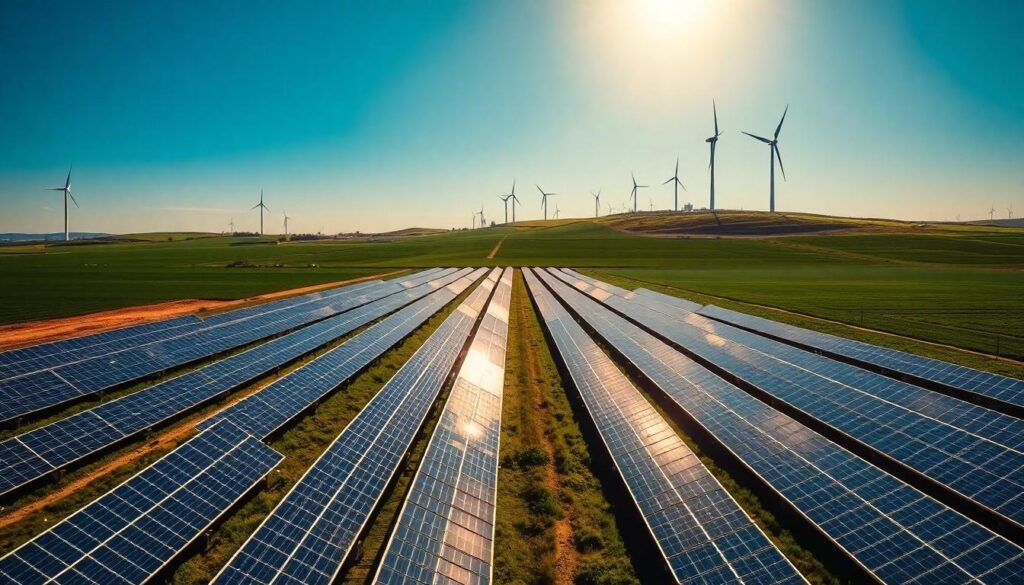
Renewable energy innovation relies on various technologies that enhance efficiency and sustainability. These advancements play a critical role in shaping a cleaner energy future.
Solar Power Advances
Technological progress in solar energy boosts efficiency levels beyond 20%. Enhanced photovoltaic cells now convert sunlight into electricity more effectively. Integrating energy storage solutions enables the capture and use of solar power even during non-sunny periods. Moreover, innovative solar panel designs improve space utilization, allowing even small areas to harness solar power. Deploying solar farms on previously unusable land broadens the potential for generating clean energy and supports large-scale energy production.
Wind Energy Developments
Advancements in wind energy focus on taller and more efficient turbines. Modern turbines capture higher wind speeds, increasing overall energy output. Innovative blade designs and materials also enhance performance. Offshore wind projects expand the reach of wind energy generation by utilizing vast oceanic areas. Significant investments in smart grid technology facilitate better energy distribution from wind farms to consumers, further advancing this clean energy sector.
Biomass and Bioenergy Innovations
Biomass technologies have evolved, diversifying feedstock options beyond traditional crops. Advanced conversion processes, like gasification and anaerobic digestion, increase energy yield from organic materials. Research into algae as a biofuel source showcases its potential for sustainable production. Furthermore, waste-to-energy projects reduce landfill use while generating power, fostering a circular economy. Innovations in bioenergy contribute significantly to reducing greenhouse gas emissions, emphasizing its role in climate change mitigation.
Impact of Renewable Energy Innovation
Renewable energy innovation significantly impacts the environment and economy. Advancements in this sector lead to numerous benefits that encourage the global transition towards sustainable energy sources.
Environmental Benefits
Utilizing renewable energy sources reduces greenhouse gas emissions. Innovations in technology decrease reliance on fossil fuels, contributing to cleaner air and water. Enhanced energy storage solutions improve efficiency, allowing for better management of energy supplies. Transitioning to solar and wind energy helps protect ecosystems by minimizing disruption to natural habitats. Furthermore, reducing carbon footprints promotes biodiversity, ensuring healthier environments.
Economic Impacts
Adopting renewable energy fosters job creation in various sectors, including manufacturing and installation. It stimulates local economies by attracting investment in clean technologies. Financial incentives, such as grants and tax credits, further encourage entrepreneurship in green energy. Renewables enhance energy security, reducing dependency on imported fuels and stabilizing energy prices. Cost reductions in solar panel production contribute to affordability, making renewable energy accessible to broader markets.
Challenges Facing Renewable Energy Innovation
Renewable energy innovation encounters several challenges that hinder its momentum. Significant obstacles include technological barriers and policy regulatory issues that affect progress and deployment.
Technological Barriers
Technological barriers impede the widespread adoption of renewable energy solutions. Limitations in energy storage capabilities affect how much energy can be harnessed and used effectively. Developing cost-effective storage systems remains a high priority for researchers. Additionally, integration of renewable sources into existing energy grids proves challenging due to compatibility issues. Advanced technologies could enhance efficiency, yet they often require substantial initial investments to scale. Research and development’s focus on overcoming these barriers is crucial for increasing adoption rates in solar wind energy sectors.
Policy and Regulatory Challenges
Policy and regulatory challenges profoundly impact renewable energy innovation. Inconsistent policies across different regions create uncertainty for investors, making long-term planning difficult. Some governments lack comprehensive frameworks that support renewable projects. Regulatory hurdles often delay project approvals, increasing development costs. Incentives like tax credits can stimulate renewable adoption, but not all regions offer them equally. Addressing these challenges necessitates collaborative efforts between governments and the private sector to create a more favorable environment for renewable energy advancements.
Future Trends in Renewable Energy Innovation
Emerging technologies are set to transform renewable energy systems significantly, making them more efficient. Enhanced battery storage technology will support solar and wind energy by storing excess power for use during peak demand. Innovations in artificial intelligence will optimize energy management, making smart grids more effective.
Vertical-axis wind turbines gain traction due to their smaller footprint and efficiency in urban environments. Advanced solar panels featuring bifacial technology will capture sunlight from both sides, improving energy generation. Integration of Internet of Things (IoT) devices allows real-time data monitoring and increases operational efficiency.
Research institutions will continue collaborating on breakthrough technologies to reduce costs and enhance performance. Carbon capture and utilization technologies become essential for reducing greenhouse gas emissions from existing infrastructures. More countries are adopting floating solar farms as they offer a solution to land scarcity and enhance energy production.
Circular economy practices will drive innovations by maximizing resource efficiency in energy systems. Bioenergy is expected to gain attention for its role in diversifying energy sources and contributing to net-zero goals. Enhanced recycling processes for solar panels and batteries will minimize waste and environmental impact.
Policy frameworks will evolve to promote innovations that prioritize sustainability. Streamlined permitting processes will attract investments, fostering rapid adoption of renewable technologies. Future trends imply a collective effort of governments, businesses, and communities to embrace renewable energy solutions and build resilient systems that support long-term sustainability.
The future of renewable energy innovation is bright and filled with potential. As technology advances and awareness grows the shift towards sustainable energy sources is becoming a reality. The commitment from governments and businesses to invest in innovative solutions is crucial for overcoming existing challenges.
With ongoing developments in energy storage and efficiency the path to a cleaner and more sustainable energy landscape is clear. By embracing these innovations society can achieve significant environmental and economic benefits.
Collaboration among stakeholders will be essential in driving this movement forward ensuring that renewable energy becomes the cornerstone of a resilient and sustainable future.