Biomass energy might sound like something straight out of a sci-fi movie, but it’s very much real and here to save the day—or at least your energy bill. As the world shifts towards greener alternatives, understanding biomass energy cost becomes crucial for anyone looking to join the eco-friendly revolution without breaking the bank.
Imagine turning your kitchen scraps and yard waste into a source of power. Not only does it help the planet, but it can also lighten your financial load. But before diving into this sustainable wonderland, it’s essential to grasp the costs involved. After all, who wants to invest in something that feels like a trip to the dentist? Let’s explore the ins and outs of biomass energy costs and see if this renewable resource is the right fit for your wallet and your conscience.
Overview of Biomass Energy
Biomass energy derives from organic materials such as plant matter, animal waste, and microorganisms. It plays a significant role in renewable energy production due to its availability and sustainability. Utilizing agricultural residues, wood chips, and food waste not only generates energy but also helps manage waste effectively.
The conversion processes for biomass energy include combustion, gasification, and anaerobic digestion. Combustion entails burning biomass to produce heat, while gasification transforms it into syngas for electricity generation. Anaerobic digestion involves breaking down organic matter in the absence of oxygen, yielding biogas, which can be used for heating or electricity.
According to the U.S. Energy Information Administration, biomass energy accounts for approximately 5% of total U.S. energy consumption. This figure corresponds with rising interest in alternative energy sources driven by concerns about fossil fuel dependency and greenhouse gas emissions. Adopting biomass energy supports the reduction of carbon footprints, aligning with global sustainability initiatives.
Costs associated with biomass energy vary based on feedstock types, local availability, and conversion technologies. On average, biomass energy production can range from $20 to $100 per megawatt-hour. This variation highlights the importance of conducting a thorough cost analysis prior to investment. Understanding both initial setup expenses and operational costs ensures a complete financial picture for potential users.
While challenges such as land requirements and resource competition exist, biomass energy remains a promising avenue for reducing reliance on non-renewable energy sources. By investing in this renewable solution, consumers may enhance their energy independence and contribute to environmental preservation.
Factors Influencing Biomass Energy Cost
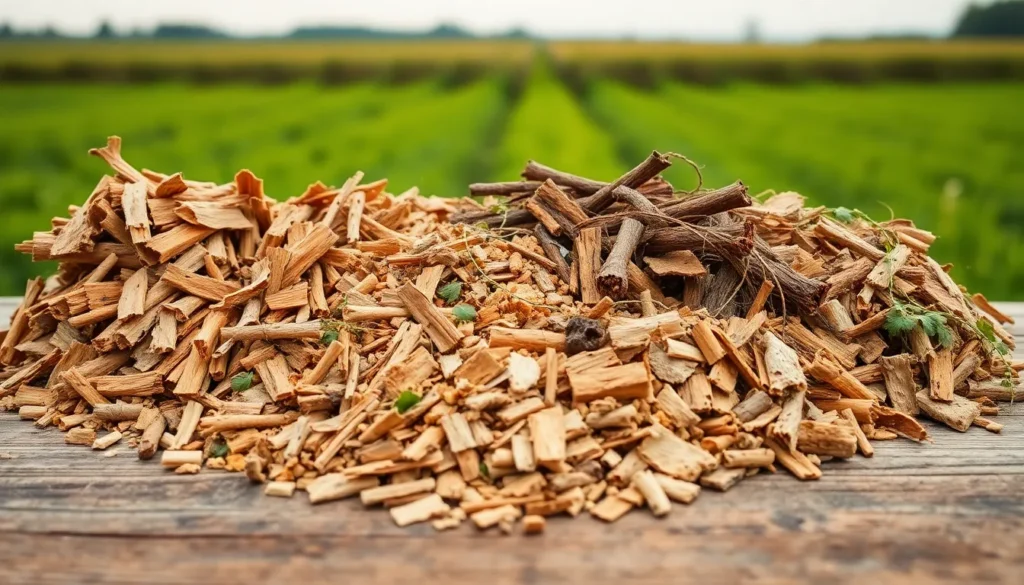
Understanding the factors influencing biomass energy cost is crucial for making informed economic decisions. Several elements play a significant role in determining the overall expenses associated with biomass energy production.
Feedstock Availability
Feedstock availability significantly impacts the cost of biomass energy. Local access to renewable materials, such as agricultural residues, wood chips, and organic waste, reduces transportation expenses. Regions with a diverse array of biomass sources often experience lower production costs. Conversely, areas lacking accessibility to suitable feedstocks may face higher prices. Seasonal variations can also affect supply, sometimes creating supply shortages. The cost to purchase or transport feedstock compounds these challenges, making a thorough supply chain analysis vital.
Processing and Conversion Technologies
Processing and conversion technologies dictate the efficiency and expenses associated with biomass energy. Various methods, including combustion, gasification, and anaerobic digestion, present differing capital and operational costs. Advanced technologies often yield higher efficiency but require significant upfront investments. Smaller-scale operations may opt for simpler, less expensive methods, yet these might produce lower energy outputs. Furthermore, ongoing operational expenses often vary based on technology type and local labor costs, affecting overall biomass energy production expenses. Understanding these dynamics ensures better financial planning and investment decisions.
Economic Benefits of Biomass Energy
Biomass energy offers significant economic advantages, particularly in job creation and local economic development.
Job Creation
Biomass energy initiatives lead to the establishment of numerous jobs in various sectors. These include positions in biomass production, processing, and energy conversion facilities. According to the U.S. Department of Energy, the biomass industry can create thousands of jobs for every megawatt produced. Individuals in rural areas benefit from increased employment opportunities, boosting the local workforce and reducing unemployment rates. Additionally, training programs associated with biomass projects prepare workers for emerging roles in renewable energy, promoting a skilled labor force.
Local Economic Development
Biomass energy stimulates local economies by leveraging regional resources. Communities that invest in biomass projects utilize local agricultural residues and waste, fostering circular economies. This approach supports farmers and reduces waste disposal costs while creating demand for local materials. Furthermore, developing biomass facilities leads to increased investments in infrastructure, benefiting neighboring businesses. Enhanced energy security results in stable energy prices, making communities more attractive for new ventures, thus driving economic growth.
Challenges in Biomass Energy Cost
Biomass energy faces several challenges that can impact its overall cost-effectiveness and implementation.
Infrastructure and Logistics
Infrastructure plays a crucial role in biomass energy production. It requires specialized facilities for collection, processing, and transportation of biomass materials. Lack of established logistics can increase investments and operational costs. For instance, regions without adequate infrastructure may incur higher transportation expenses due to longer distances to processing sites. Additionally, building new facilities demands capital, affecting financial feasibility. Effective logistics management can lead to more efficient operations and reduce costs, vital for competitive biomass energy production.
Competition with Other Energy Sources
Competition with other energy sources poses a significant challenge for biomass energy. Traditional fossil fuels often remain cheaper due to established extraction and distribution systems. Availability of renewable alternatives like solar and wind energy grows rapidly, resulting in lower prices. As these technologies advance, biomass energy may struggle to remain cost-competitive. Policy support may help level the playing field and encourage investment in biomass initiatives. Understanding market dynamics is essential for biomass producers to strategize effectively against alternative energy sources.
Future Outlook for Biomass Energy Cost
Biomass energy’s future costs will likely experience fluctuations based on technological advancements and policy changes. Ongoing research into processing methods aims to enhance efficiency, which can lower overall production costs. Economies of scale may also play a significant role; as more biomass facilities are built, procurement and operational costs could decrease.
Rising regulations on fossil fuel emissions could further elevate the demand for biomass energy. Increased adoption of sustainability practices among industries may accelerate investments in biomass initiatives, leading to a more competitive market. Additionally, consumer awareness about renewable energy sources is expected to drive demand, which can push biomass energy into mainstream usage.
Regional climates and agricultural practices will largely influence feedstock availability and costs. Areas with abundant agricultural waste might see lower prices compared to regions lacking such resources. Shifts in agricultural trends could also impact biomass production; for instance, a move towards more biomass-friendly crops could enhance supply chains.
Government incentives and subsidies may support biomass energy development, helping to offset initial investment costs. Such support fosters technological innovation that benefits the biomass sector as well. Collaborations between private sectors and public entities are essential for driving research and creating business frameworks that promote biomass usage.
Market dynamics will continue shaping biomass energy costs over time. Competition with other renewable sources, particularly solar and wind energy, will challenge price structures. Strategic partnerships and supply chains will be critical for biomass to sustain its position in the renewable energy landscape.
Biomass energy offers a promising solution for those seeking to balance environmental sustainability with economic benefits. As technology advances and awareness grows, the landscape of biomass energy costs will continue to evolve. Understanding the intricacies of feedstock availability and conversion efficiencies is essential for making informed decisions.
Investing in biomass not only supports local economies but also contributes to energy independence. With the right policies and community support, biomass energy can play a significant role in the transition to a more sustainable energy future. The potential for job creation and reduced reliance on fossil fuels underscores its importance in today’s energy discussions.