As the world spins faster toward a greener future, renewable energy trends are popping up like dandelions in spring. From solar panels that soak up the sun to wind turbines that dance with the breeze, these innovations aren’t just good for the planet—they’re also good for your wallet. Who knew saving the Earth could come with such a sweet financial bonus?
Overview of Renewable Energy Trends
Demand for renewable energy sources continues to grow as environmental concerns rise. Solar power remains a leading trend, with advancements in photovoltaic technology improving efficiency rates significantly. Wind energy has also gained traction, as larger turbines generate more energy at lower costs. Hydro energy contributes a substantial portion of renewable energy, benefiting from innovations in turbine design and water management systems.
Geothermal energy provides a consistent source of power, especially in regions with volcanic activity. Biomass energy is increasingly popular for its ability to convert waste into usable fuel, supporting circular economy principles.
Financial incentives further encourage adoption of renewable technologies. In 2022, federal tax credits for solar installations increased, incentivizing households to invest in sustainable solutions. According to the International Energy Agency, global renewable energy capacity grew by 10.3% in 2021, setting a precedent for future projects.
Community-driven initiatives are also emerging, with many local governments investing in renewable projects. This trend promotes public awareness and participation in sustainable practices. Private companies are increasingly following suit, investing in renewable energy to meet corporate sustainability goals.
The landscape of renewable energy is evolving rapidly. Trends show a clear shift towards more efficient and accessible energy sources, promoting both ecological sustainability and economic growth.
Solar Energy Innovations
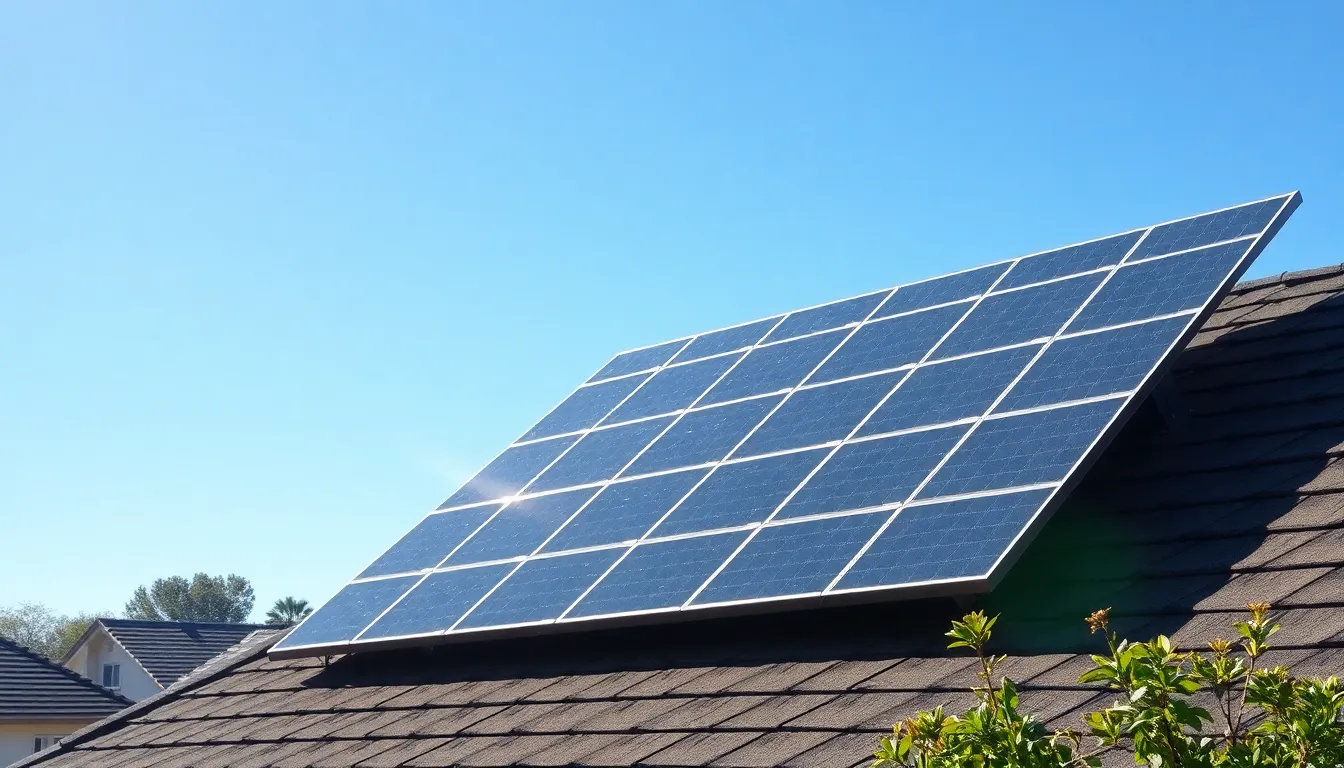
Solar energy continues to lead the way in renewable energy advancements. Significant innovations emerge regularly, enhancing efficiency and affordability for consumers.
Advances in Solar Technology
New photovoltaic technologies capture sunlight more efficiently, boosting energy conversion rates. Bifacial solar panels gather sunlight from both sides, optimizing performance in various environments. Flexible solar cells expand installation options on unconventional surfaces. In 2022, research indicated that efficiency rates for solar panels surpassed 23%, showing promising potential for further improvements. Additionally, solar tracking systems adjust panel angles to maximize sunlight exposure throughout the day, increasing energy output. Companies are investing in solar technology to reduce manufacturing costs, making solar power more accessible to a broader audience.
Benefits of Solar Adoption
Adopting solar energy offers substantial financial savings for homeowners and businesses. Monthly electricity bills decrease significantly with solar installations, resulting in long-term economic benefits. Federal tax credits, which increased in 2022, further incentivize adoption, enhancing return on investment. Environmental impacts also improve, as solar energy helps reduce carbon footprints and dependency on fossil fuels. Many regions encourage community solar projects, allowing shared access to solar energy. Long-term benefits include increased property values, as homes with solar panels often sell for more than their non-solar counterparts.
Wind Energy Developments
Wind energy is gaining prominence as a key player in renewable energy. The sector experiences significant advancements that drive its growth and efficiency.
Offshore Wind Farms
Offshore wind farms represent a notable trend in wind energy. These installations utilize wind resources over ocean waters, where wind speeds are typically higher and more consistent than on land. In 2022, offshore wind capacity reached 50 gigawatts globally, demonstrating robust growth. Countries like the UK and Germany are leading in this field, with ambitious projects like the Hornsea One and the Arkona wind farm. The development of floating wind turbine technology allows for expansion into deeper waters, increasing energy production capabilities.
Emerging Wind Technologies
Emerging wind technologies enhance turbine efficiency and reduce costs. Innovations include larger rotor diameters and taller turbine towers that capture more wind energy. In 2022, average turbine sizes increased by 10% compared to previous years. Blade design improvements, such as advanced aerodynamic shapes, further optimize performance. Digital technologies, including predictive maintenance and real-time monitoring, help maximize output while minimizing downtime. These emerging technologies position wind energy as a competitive and sustainable energy source for the future.
Energy Storage Solutions
Energy storage solutions play a crucial role in maximizing the efficiency of renewable energy systems. As renewable power sources generate energy intermittently, effective storage is essential to ensure a reliable supply.
Importance of Battery Technology
Battery technology stands at the forefront of energy storage innovations. Lithium-ion batteries dominate the market due to their high energy density and decreasing costs. In 2022, the price of lithium-ion battery packs fell by approximately 6%, making renewable energy storage more affordable. Flow batteries are gaining attention for their scalability and prolonged usage cycles, providing an alternative for large-scale applications. Advanced battery technologies improve grid resilience and support the integration of fluctuating power sources, which enhances energy availability for consumers.
Trends in Energy Storage Systems
Energy storage systems continue to evolve rapidly, leading to significant advancements in the field. The deployment of virtual power plants has gained traction, optimizing energy distribution through integrated battery systems. In 2022, global battery storage capacity reached 20 gigawatts, reflecting a 50% increase over the previous year. Other innovations include the rise of solid-state batteries, which promise enhanced safety and greater longevity. Additionally, energy management systems facilitate improved coordination between energy storage and grid demands. Companies are increasingly investing in these technologies to enhance sustainability and support future energy needs.
Policy and Regulatory Changes
Policy and regulatory changes play a significant role in shaping the landscape of renewable energy. Governments worldwide are increasingly adopting frameworks to support the transition to greener energy solutions.
Global Initiatives for Renewable Energy
Countries are committing to ambitious climate targets through international agreements such as the Paris Agreement. In 2022, global initiatives encouraged investments in sustainable projects, with a focus on reducing carbon emissions by 30% by 2030. Governments are collaborating on research and development projects that enhance renewable technologies, fostering innovation on a global scale. China, for example, leads in solar capacity additions, significantly contributing to worldwide growth. Collaborative efforts, such as the Clean Energy Ministerial, promote transparency and knowledge sharing among nations.
Incentives for Renewable Adoption
Incentives for renewable adoption are becoming more robust and widespread. The U.S. government introduced enhanced federal tax credits for solar installations in 2022, increasing financial benefits for homeowners and businesses. Various states also offer rebates, grants, and low-interest loans, making renewable energy installations more affordable. In addition, renewable energy certificates (RECs) allow businesses to support green power while benefiting from potential cost savings. Utilities are implementing programs that facilitate customers’ transitions to renewable sources, ensuring accessible pathways for energy use. These combined efforts are driving a remarkable increase in renewable energy installations, promoting sustainable practices across the economy.
Future Outlook for Renewable Energy Trends
Emerging technologies will shape the future of renewable energy. Innovations in solar power continue to lead, with bifacial solar panels and flexible solar cells enhancing efficiency and installation versatility. In 2022, solar panel efficiency rates exceeded 23%, improving energy output significantly.
Wind energy trends also point towards growth. Larger turbines are becoming commonplace, lowering costs while boosting energy production. Offshore wind farms in 2022 reached a capacity of 50 gigawatts, with the UK and Germany spearheading ambitious initiatives aiming to capture stronger, more consistent wind.
Energy storage solutions play a pivotal role in optimizing renewable systems. Battery technology remains at the forefront, especially with lithium-ion batteries becoming more affordable. In 2022, global battery storage capacity hit 20 gigawatts, reflecting strong investments in this area.
Policy changes impact renewable energy adoption positively. Governments worldwide are setting ambitious climate targets and promoting frameworks that encourage green energy transitions. The Clean Energy Ministerial fosters collaboration, while initiatives aim to cut carbon emissions by 30% by 2030.
Financial incentives are expanding in scope. Enhanced federal tax credits for solar installations were introduced in the U.S. in 2022, coupled with state-level rebates and grants. These initiatives make renewable energy solutions more accessible, facilitating the shift toward sustainable practices across various sectors.
Community initiatives are also on the rise. Local governments and businesses are investing in projects that enhance public awareness while supporting corporate sustainability goals. As these trends continue, the renewable energy landscape will evolve, showcasing a commitment to ecological sustainability and economic advancement.
The shift towards renewable energy is not just a trend but a crucial step towards a sustainable future. As innovations in solar and wind technologies continue to evolve, the potential for cleaner energy sources expands significantly. This transformation is supported by robust policy frameworks and financial incentives that make renewable options more accessible.
Community initiatives and investments from both local governments and private sectors are fostering greater public engagement with renewable energy. The ongoing advancements in energy storage and efficiency will further enhance the reliability of these systems. With a collaborative global effort, the renewable energy landscape is set for remarkable growth, promising ecological benefits alongside economic opportunities.