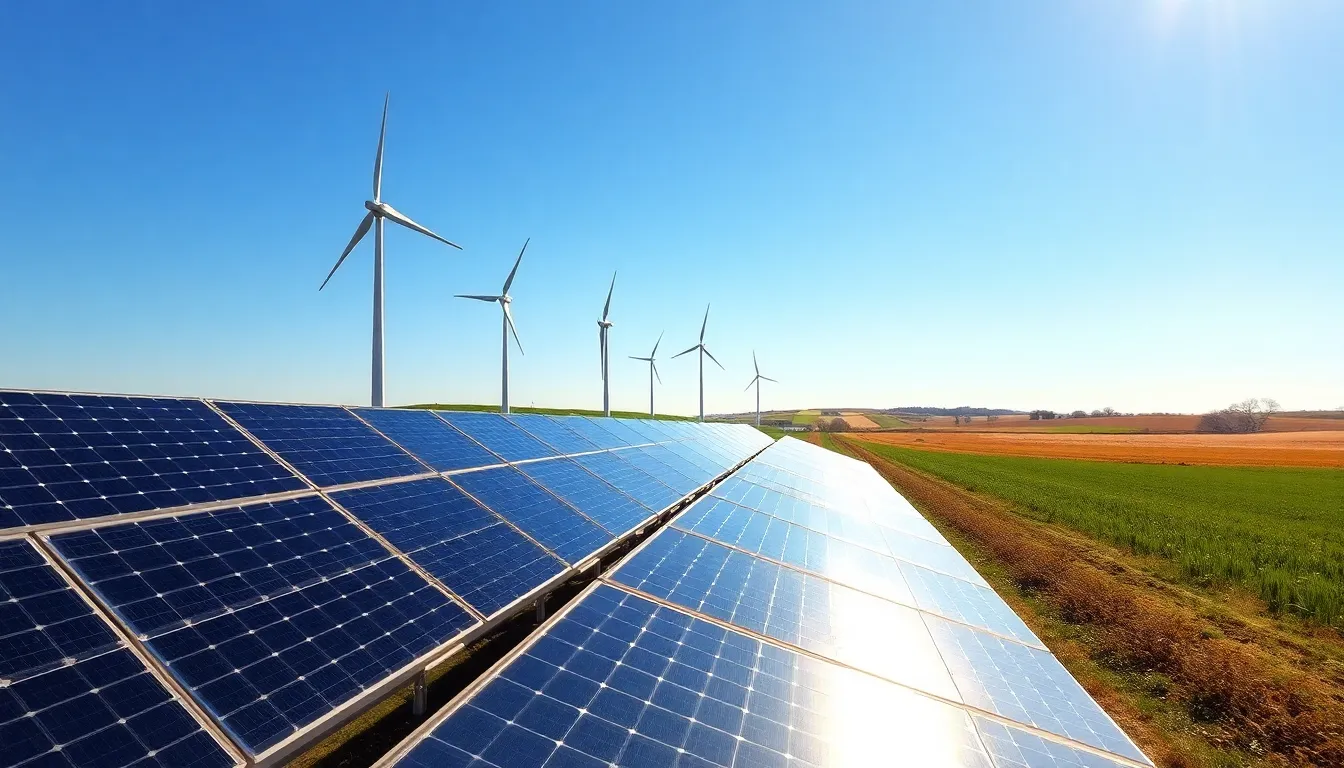
Imagine a world where the sun shines bright and the wind blows just right, creating a perfect harmony of energy production. That’s the magic of wind-solar hybrids. These dynamic duos combine the best of both renewable resources, turning Mother Nature into a reliable power plant. With the sun’s rays and the wind’s gusts working together, they’re not just saving the planet—they’re also giving traditional energy sources a run for their money.
Wind-solar hybrids are like the ultimate power couple, reducing reliance on fossil fuels while maximizing efficiency. They’re the smart choice for anyone looking to embrace a greener lifestyle without sacrificing reliability. So why settle for just one when you can have the best of both worlds? Let’s dive into the fascinating world of wind-solar hybrids and discover how they’re revolutionizing energy production, one breeze and beam at a time.
Overview of Wind Solar Hybrids
Wind solar hybrids integrate wind and solar technologies to enhance energy generation. These systems capitalize on the complementary nature of both resources, ensuringelectricity production even during varying weather patterns. Combining these two renewable energy sources results in greater efficiency than relying on either source alone.
Reliability stems from wind and solar energy peak outputs occurring at different times. Solar power often thrives during sunny days, while wind energy can generate power during cloudy or stormy conditions. This synergy ensures a more stable energy supply, which is vital for grid stability.
Cost-effectiveness increases with the shared infrastructure of wind solar hybrids. By utilizing common components, such as inverters and system controls, overall system expenses drop. This economic strategy aligns with the global push toward renewable energy adoption.
Government incentives play a crucial role in promoting wind solar hybrids. Many jurisdictions offer tax credits and grants for renewable energy projects, making initial investments more accessible. Increased awareness about sustainability further spurs interest in such systems.
Environmental impacts significantly reduce through the implementation of wind solar hybrids. These systems decrease greenhouse gas emissions, contributing to climate change mitigation. Both air and water pollution levels also decline, supporting healthier ecosystems.
Performance optimization techniques enhance the effectiveness of wind solar hybrids. Advanced forecasting systems improve energy management by predicting resource availability. Smart grid technology facilitates real-time monitoring and adjustments, maximizing output efficiency.
Wind solar hybrids represent a progressive approach to renewable energy generation. Transitioning to a hybrid system promotes sustainability while addressing numerous environmental and economic challenges.
Benefits of Wind Solar Hybrids
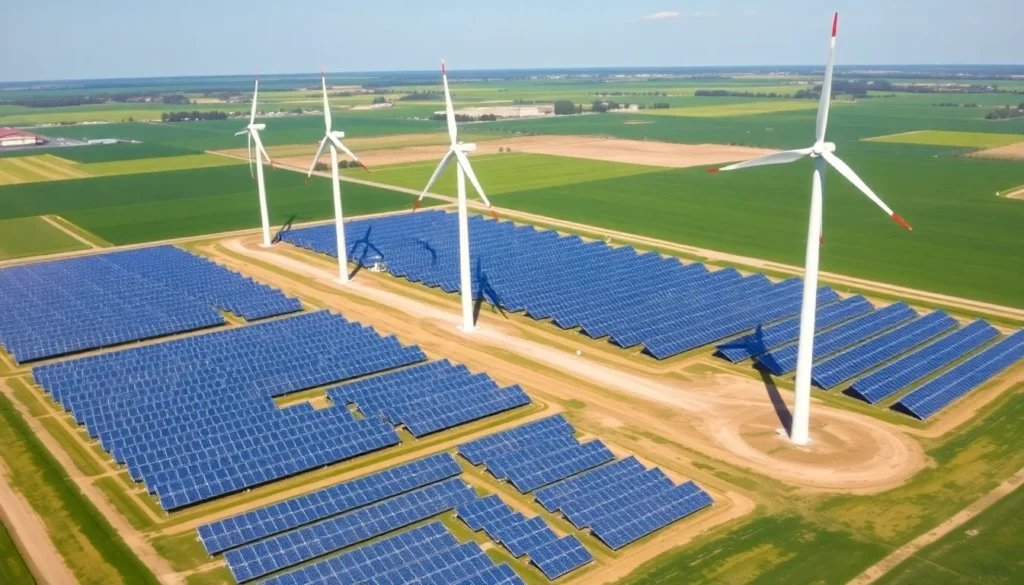
Wind solar hybrids offer distinct advantages that promote a sustainable energy future. By integrating both wind and solar technologies, these systems enhance energy production while addressing environmental and economic needs.
Environmental Impact
Wind solar hybrids significantly reduce greenhouse gas emissions. Utilizing renewable energy leads to cleaner air and less reliance on fossil fuels. Biodiversity benefits from healthier ecosystems due to reduced land and water pollution. These systems also optimize land use, allowing for dual-purpose sites that maximize energy generation. Data shows that hybrids achieve a substantial decrease in carbon footprints compared to traditional energy methods.
Economic Advantages
Cost savings emerge from shared infrastructure between wind and solar technologies. Initial investments often decrease as systems combine resources, resulting in lower installation and maintenance expenses. Financial incentives provided by governments, such as tax credits, encourage adoption of these hybrids. Job creation supports local economies, as installation and operation of wind solar hybrid systems require skilled labor. Research indicates that the overall lifecycle costs become more favorable with this combined approach, making it an attractive option for future energy projects.
Technological Integration
Wind-solar hybrids enhance energy production through effective technological integration. This approach combines various renewable technologies to maximize efficiency and reliability.
Energy Storage Solutions
Energy storage solutions play a crucial role in wind-solar hybrids. These systems, like batteries and pumped hydro storage, ensure a constant energy supply by storing excess energy generated during peak production times. Advanced battery technology, including lithium-ion and flow batteries, provides rapid response capabilities. They address energy availability during low production periods, ensuring a consistent power supply. By leveraging energy storage, hybrids promote grid resilience, effectively balancing supply and demand.
Grid Connection Challenges
Grid connection presents challenges for integrating wind-solar hybrids. Inconsistencies in energy generation require advanced infrastructure adaptations. Existing grids may lack the capacity to handle increased variable energy inputs. Regulations often complicate the interconnection process, necessitating streamlined permitting and technical standards. Collaboration among utilities, developers, and regulators facilitates effective integration strategies. Addressing these challenges enhances overall grid stability while supporting the transition to renewable energy solutions.
Case Studies of Wind Solar Hybrids
Numerous case studies demonstrate the effectiveness of wind-solar hybrids across various regions. One notable example is the Gansu Wind Solar Energy Base in China, which integrates 20 gigawatts of wind and solar capacity. This project efficiently harnesses both sources, minimizing fluctuations in energy production and providing stable electricity to millions.
Another significant case study features the 10 megawatt wind-solar hybrid system in Australia. This facility combines 5 megawatts of wind generation with solar photovoltaics, offering a comprehensive solution to energy reliability. Local communities have benefited from reduced energy costs and diminished reliance on fossil fuels as a result.
In the United States, the Solar and Wind Hybrid Station in New Mexico showcases innovation in combining these renewable sources. The facility utilizes advanced forecasting techniques to optimize energy generation, responding to varying weather conditions. Both rural and urban areas experience improved energy reliability and resilience due to this integration.
Germany’s research on hybrid systems reveals a growing trend in combining these technologies. Studies indicate that regions adopting wind-solar hybrids can achieve electricity production levels exceeding 80% from renewables alone. The reduction in greenhouse gas emissions markedly enhances environmental sustainability.
Additionally, a project in India demonstrates the feasibility of wind-solar hybrids in developing countries. The integrated approach allows for diversified energy generation, benefiting remote communities without access to traditional power grids. This model emphasizes the potential for similar initiatives in other regions to promote energy equity.
Each of these case studies reinforces the advantages of wind-solar hybrids, highlighting their role in transforming energy production while addressing environmental challenges. The ongoing success in various locations reveals a promising future for integrating renewable technologies globally.
Future Prospects of Wind Solar Hybrids
Growth in wind-solar hybrid systems promises significant advancements in renewable energy. Emerging technologies continuously enhance the efficiency and integration of these systems. Data from studies show hybrid configurations can increase energy reliability by up to 50% when compared to standalone sources.
Investment trends indicate a rising interest in wind-solar hybrids. Financial institutions recognize the reduced operational costs associated with shared infrastructure. Government initiatives support this trend through incentives, making these systems more appealing. For instance, tax credits can lower upfront investments, promoting broader adoption.
Furthermore, ongoing research explores advancements in energy storage solutions. Improved batteries and pumped hydro systems play a crucial role in ensuring a stable energy supply. Hybrid systems benefit from these innovations by storing excess energy generated during peak production periods.
Challenges in grid integration remain, yet collaborative approaches from stakeholders focus on overcoming these hurdles. Utilities, developers, and regulators can streamline interconnections, facilitating smoother transitions to renewable sources. Effective strategies can enhance grid resilience while accommodating increasing variable inputs.
Case studies across diverse regions demonstrate the broader application of wind-solar hybrids. Countries like China and India lead by implementing successful hybrid projects, providing valuable insights. The Gansu Wind Solar Energy Base exemplifies the potential of large-scale installations, showcasing a combined capacity of 20 gigawatts.
In the U.S., projects like the Solar and Wind Hybrid Station in New Mexico utilize advanced forecasting techniques. These systems optimize energy production while addressing peak demand efficiently. Research confirms that regions implementing wind-solar hybrids can achieve over 80% renewable electricity generation, contributing to global sustainability efforts. The future of energy production hinges on these transformative technologies.
Wind-solar hybrids represent a significant leap towards a sustainable energy future. By harnessing the complementary strengths of both wind and solar power, these systems offer a reliable and efficient energy solution. Their ability to provide consistent electricity generation, even amid fluctuating weather conditions, enhances grid stability and supports a cleaner environment.
As technological advancements continue to improve performance and reduce costs, the adoption of wind-solar hybrids is likely to accelerate. Collaborative efforts among stakeholders will be crucial in overcoming integration challenges. The potential for job creation and economic growth further emphasizes the importance of these systems in the global transition to renewable energy. Embracing wind-solar hybrids paves the way for a greener and more sustainable world.